Field notes on the inner world.
How minds work, break and heal: guides, tools and experiments from a psychiatrist who runs clinical trials by day. Cited throughout, honest about the gaps.
Or take a screener: about 30 validated ones, private to your browser, depression, anxiety, ADHD, PTSD and more.
What’s new
All posts, newest first- The problem child grows upnew
Eighty years of LSD in human research, from Hofmann's bicycle to phase 3 Psychedelic medicine
- Psilocybin is my friendnew
The experiences that changed lives, and the numbers on when it goes badly Psychedelic medicine
- How to read a bloomnew
A field guide to the receptor blooms, with ninety-five to play with Psychopharmacology
- Happy birthday, Dr. Learynew
What to keep and what to leave of Timothy Leary, on his birthday Psychedelic medicine
- Psilocybin may be coming to the Spravato clinicnew
The clock, the eight-hour day, the rooms, the people, the money Psychedelic medicine
- Unfinished businessnew
Emotion science, part 2: why the argument in the shower never ends Mind & perception
By topic
SearchMind & perception
Placebo, perception, music and the strange ordinary mind. 22 posts and 2 tools.
- Talking about trauma, with careHow to ask, how to listen, and what not to say
- Unfinished businessEmotion science, part 2: why the argument in the shower never ends
- The empty chairEmotion science, part 1: chair work, where it came from, and why anger heals
- The mat is a laboratoryWhy I practice yoga, what the science says, and a fact-check of my own keynote
Therapy
How therapy works, and the approaches I trust. 18 posts and 6 tools.
- Coming home to the bodyInteroception, embodiment, and guided ways back into the body
- The committee insideInternal Family Systems, with tools to map your parts
- The gentlest experimentHakomi: mindfulness, the body and loving presence
- Feelings are dataAn emotion primer through Emotion-Focused Therapy
Mood & anxiety
Depression, anxiety, OCD, and what prevents suicide. 17 posts and 6 tools.
- The doubting diseaseOCD: what it is, how it is measured, and how exposure works
- The worry engineGeneralized anxiety and its relatives, with a self-check for each
- The warning in the boxWhy some psychiatric medicines carry a suicide warning
- What lies underneathThe science of suicidal pain: theories and neurobiology
Psychedelic medicine
Ketamine, MDMA and psilocybin: the evidence and the risks. 16 posts and 5 tools.
- When the trip doesn't endHPPD: when visuals linger after psychedelics, and what helps
- The hidden therapistHow music works inside a psychedelic session
- How much of the change is the molecule?The drug, the therapist, or neither: what does the work?
- Ketamine and the suicidal crisisRapid relief of suicidal thinking: what we know and don't
Psychopharmacology
How psychiatric medicines work, interact and cost. 13 posts and 3 tools.
- Ketamine and Spravato, explainedHistory, chirality, mechanism, the trials, dose, duration, and the gaps
- Was it the pill?Placebo, nocebo, and how to tell what a medicine is really doing
- The life of an adverse eventHow a side effect becomes a line in the package insert
- The orexin frontierThe brain's wake switch, the sleep drugs, and the new agonists
ADHD & attention
How attention works, the medicines, and what’s new. 4 posts and 7 tools.
- The reuptake eraHow reuptake blockers built modern psychiatry, Prozac onward
- New ADHD medications since 2021Every ADHD approval since 2021, and what each one costs
- Your attention isn't brokenWhy focus feels broken, and how to train it back
PTSD & trauma
How trauma changes the brain, and how people heal. 7 posts and 3 tools.
- MDMA, measuredAn evidence-graded MDMA harm-reduction reference
- MDMA: a research reportTwo positive trials, one FDA rejection, and what comes next
- Methylone: a research reportA smoke-shop stimulant now in Phase 3 for PTSD
Body & health
Fitness, aging, the heart and the body–brain link. 3 posts, plus health tools outside my specialty.
- The Impossible CountryYetis, inner fire and levitating lamas: a century of strange science
- Caffeine, America's favorite psychotropicWhy a psychiatrist cares about your coffee, with a dashboard for your dose and sleep
- Health tools, outside my specialtyHeart risk, fitness, aging and sun: general education, not medical advice
Food & eating
Food noise, sugar, appetite and the eating brain. 5 posts and 1 tool.
- Gluten is (usually) not the enemyCeliac, sensitivity, nocebo, and gluten in eating disorders
- No one chooses thisEating disorders explained for families, and what to say
- The Gray Vial YearsHow GLP-1 injections became normal, and three earlier waves
- Food NoiseUnwanted thoughts about food: why, how much, what helps
If you or someone you love is in crisis, call or text 988 in the US, any hour. The suicide prevention guides and tools are always here.
Also here
Clinical trials in Orem, Utah
At Inner Space Research we run phase 2 and 3 trials of new medicines for depression, generalized anxiety and more. Taking part is free and closely monitored, and many studies compensate you for your time.
560 S State St, Suite D-1, Orem, UT. (801) 871-5516
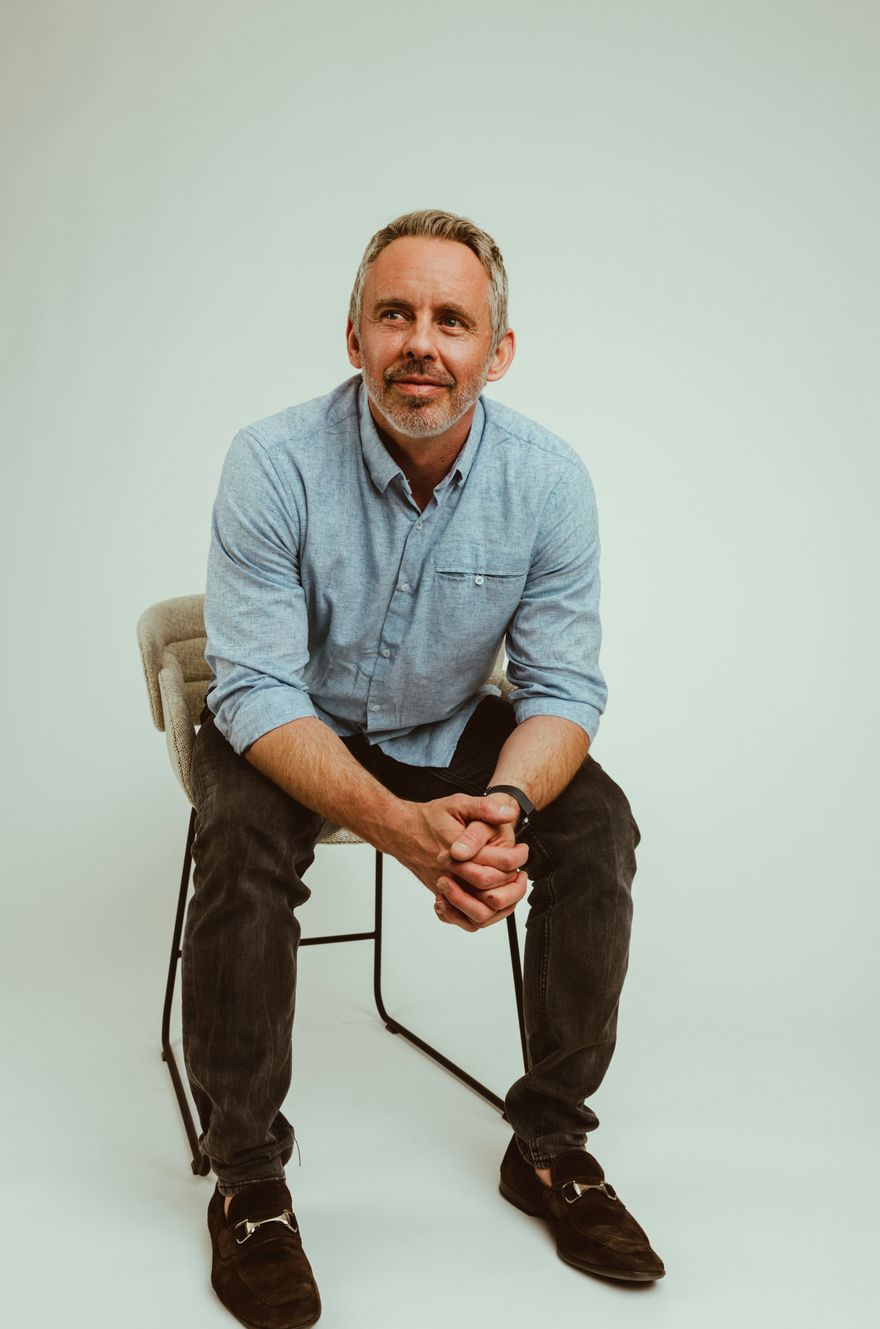
I'm Reid Robison. I'm a psychiatrist, I run clinical trials, and I teach at the University of Utah. I write these guides for patients, families and other clinicians, and I build the tools I wish I'd had in clinic. Everything here is free. When the evidence is strong I'll say so, and when it isn't I'll say that too.